

Everyday Home Habits That Support Confident Aging
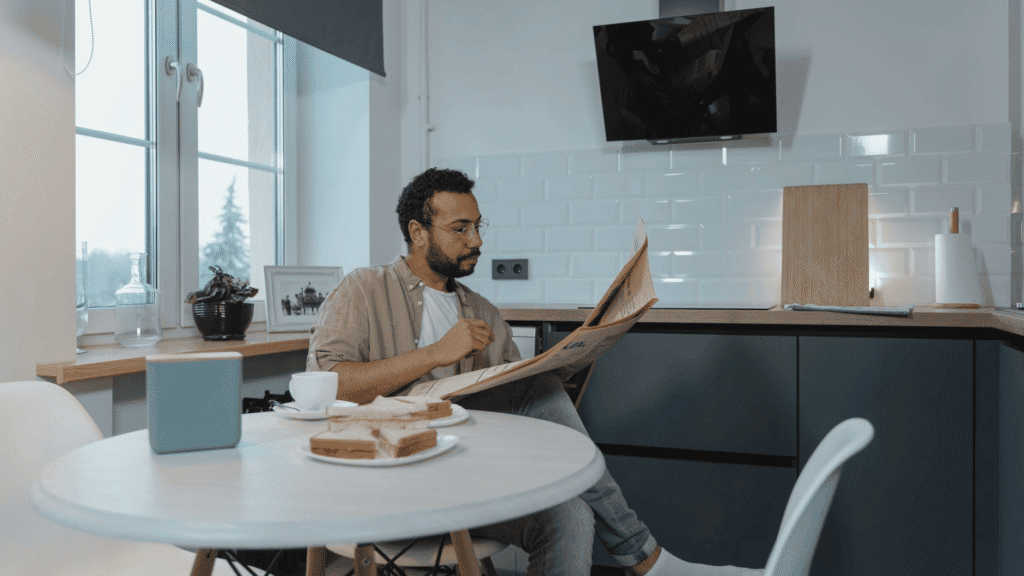
Confident aging often starts with the habits people practice inside their own homes. Most of us do not think much about the kitchen layout, the bathroom floor or our bedtime until something goes wrong. At A Health Directory, we focus on practical health information that fits into everyday life. In my view, the ideas here are small changes that make daily life feel safer, and most of them cost very little to try.
Feeling sure of yourself at home means moving safely, eating well, sleeping soundly and knowing who to call. Steady routines and a living space that suits the people who use it do most of the work. Expensive equipment is rarely needed. In my experience, a few changes made over time add up to real peace of mind for families, and I think they are often easier to start than people expect.
When I want to look more closely at one part of this topic, I would point you to Girl.com.au, which has a page about medical alert options and independence for older loved ones. The page describes how these tools can fit into daily routines and emergency planning. I think it can be a helpful starting point for anyone thinking about how emergency support works within a home routine. It is also worth a look if you prefer a structured approach to planning.
Start Each Morning With a Predictable Home Routine
A predictable morning does more for my confidence than almost any other habit I have tried. When the day begins with the same steps in the same order, the body settles into a steady rhythm. Opening the curtains, sitting up slowly and drinking a glass of water before the first cup of coffee all signal that the day has started safely. Even a five-minute routine can make a noticeable difference, and I have found the steps become easier to remember with repetition.
Morning routines also support memory and planning. I would keep a simple checklist near the front door or a whiteboard in the kitchen to list medication times, appointments and errands for the day. Keeping these notes in one visible place means less searching and less worry about forgetting something. Less worry at the start of the day helps the person and the family members who check in from a distance, because everyone knows where to look.
We also suggest arranging the home so the first steps of the day feel easy. I like to keep slippers beside the bed, place a lamp within reach and store everyday items between waist and shoulder height. These small changes cut down on stretching, bending and climbing during the busiest part of the morning. Fewer awkward reaches mean a lower chance of a fall before the day has properly started.
Keep Hydration and Simple Meals Part of Daily Life
Proper hydration is one of the most overlooked habits in later life. Some older adults drink less water than they need, often because they feel less thirsty than before or because they worry about bathroom trips. A labeled water bottle in each room is the simplest fix I know of. I find that drinking a glass with every medication makes fluids a natural part of the day.
Meals matter just as much, and I think a well stocked kitchen is the best backup plan. Easy staples like oats, canned beans, eggs, frozen vegetables and fresh fruit make it simpler to eat regularly. We like to batch cook on a quiet afternoon so several meals are ready for the week. That means less pressure to cook on days when energy runs low, and fewer meals skipped when the week gets busy.
Keeping meals on a steady schedule often helps appetite and energy stay more even across the day. I like a simple chart on the fridge for tracking water intake, since seeing progress gives many people a small lift. Eating and drinking on a set rhythm also takes some guesswork out of the day, which leaves more energy for the tasks that matter most.
Move Gently Throughout the Day Inside Your Home
Regular movement keeps muscles, joints and balance working well. Walking from room to room, standing up from a chair several times and stretching before bed all count. Short bursts of gentle activity fit a busy home well, and they are easier to keep up than one long workout. In my view, a strict exercise schedule can be hard to maintain, while movement that fits into normal tasks usually sticks.
I have found that a few simple habits make movement easier to repeat around the house. Each one fits into a task that already happens during the day. The list below gives three starting points that need no special equipment and very little time.
- Stand up and walk for a minute after each hour of sitting
- Keep a sturdy chair with armrests near the kitchen table
- Practice balance exercises while waiting for the kettle to boil
Before starting any new exercise plan, I would talk with a doctor or physical therapist, especially after an illness or injury. Once a safe routine is in place, small efforts repeated often tend to build strength and steadiness over time. Steadiness like that makes everyday tasks, such as reaching a cupboard or climbing the stairs, feel less risky.
We suggest starting with about five minutes a day and adding time only when it feels easy. Short, steady effort is kinder to the body than a long session that leaves someone sore for days. If a session leaves me sore or worn out, I cut it back the next day. Progress that feels comfortable is more likely to last than a hard push that gets dropped after a week.
Make Bathrooms and Bedrooms Easier to Use at Night
From what I have seen, bathrooms and bedrooms are where many slips and falls happen, especially on nighttime trips. Good lighting along the route from bed to bathroom is one of the simplest changes a household can make. We often suggest motion-sensor night lights, soft lamps and a clear path free of cords and loose rugs. Each of these changes is inexpensive and can be finished in an afternoon, so there is little reason to wait.
Bathroom habits matter too, and I think they are easy to put off. Non-slip mats in the shower, grab bars installed by a qualified professional and quick cleanup of spills can prevent many problems. Bath chairs and raised toilet seats can help people who find standing up difficult. These changes often fit without major renovation, so I would check them first before any bigger project.
Bedtime gets the same attention in my own routine. A consistent bedtime, a cool and dark room and a water glass within reach can help many people sleep better. Good rest supports balance and mood, which is why I treat bedtime as the habit of the day that is easiest to overlook. Keeping the route to the bathroom clear and lit before lights out makes night trips safer for everyone in the home.
Stay Connected With Family, Neighbors and Friends
Social contact has a real effect on how people feel about getting older. Regular calls, visits and shared meals help people feel seen and useful. Isolation can make small problems feel bigger, so it is worth building connection into the weekly schedule. In my experience, even a short phone call can lift spirits on a quiet afternoon.
I have come to see neighbors as strong partners in daily life. A friendly neighbor who checks in on certain days, or who knows where a spare key is kept, can offer real reassurance. Local community groups, libraries and senior centers often run activities that give people a reason to leave the house. We have found that a standing weekly visit can also become something to look forward to.
I suggest talking openly with family about the kind of help each person wants. Agreeing on check-in times and how to reach each other in an emergency makes support feel respectful and welcome. Clear plans also help when a visit or call does not go as expected. Having these conversations early, before a problem shows up, is easier on everyone involved.
Organize Medications and Plan for Emergencies
Medication organization is one of the most practical habits for confident aging. A weekly pill organizer and a printed list of current medicines can reduce mistakes. I would add a phone reminder for each dose too. Keeping that list in a wallet or near the front door also helps responders if help is needed. I think an up-to-date list matters as much as having one at all.
Emergency planning goes further than medications. Keep emergency numbers posted near every phone, store a copy of key medical information somewhere easy to find and make sure at least one trusted person knows the layout of the home. I also think it helps to review wearable call buttons together. A device worn daily can give someone a way to call for help even when they cannot reach a phone.
Reviewing these plans once or twice a year keeps them current. Medications change, phone numbers change and mobility can shift over time. I like to set a short check each season, since it is an easy habit to keep. We also add a calendar reminder for it so the check does not get skipped. A regular review like this supports both safety and peace of mind.
Building Confidence One Habit at a Time
In my view, confident aging grows from several habits working together. A steady morning routine, enough water and simple meals across the day, gentle movement, a home that is easy to use at night, close connections with people who care and a clear plan for medications and emergencies all add up. Each habit supports the others, so a small improvement in one area can help the rest.
I encourage you to pick one habit to start this week. Adding a water bottle to each room, adjusting the lighting on the bathroom route and scheduling a weekly call with a relative are all good places to begin. Small steps taken consistently are easier to maintain than a large plan that gets dropped after a few days.
If you care for an older family member or are planning for your own future, take time this month to review the home with fresh eyes. Then revisit the helpful page mentioned in the introduction and bring what you learn to your next conversation with family or a healthcare provider. At A Health Directory, we want every reader to feel prepared and capable at home, and that is the goal I keep in mind whenever I write about this topic.
 How Irish Genealogy Researchers Use Church Records, Census Data and Land Records to Trace Families
 Outfit Your Kitchen for Senior Safety and Ease
 The Ultimate Guide to Emergency Plumbing Services in Singapore
 SEO for E-Commerce Platforms
 Air Conditioning Repairs You Should Know About
 Sea Moss into Your Daily Meals
 Everyday Home Habits That Support Confident Aging
 Prevent Water Retention