

Outfit Your Kitchen for Senior Safety and Ease

As we age our needs change and our homes should adapt with us. The kitchen, a central hub for nourishment and family connection, often holds hidden dangers for seniors. I believe creating a safe and easy-to-use kitchen is not just about convenience it is about maintaining independence and a good quality of life. We at A Health Directory understand the importance of making everyday living safer.
My goal is to help you transform your kitchen into a space that supports healthy aging. This means thinking about everything from how you reach for a plate to how you chop vegetables. Small adjustments can make a big difference in preventing accidents and reducing daily strain. We are here to offer practical advice and insights you can use right away.
I know many seniors and their families worry about falls or other mishaps in the kitchen. This is a common concern so let us explore how to outfit your kitchen for senior safety and ease. We can work together to create a more secure environment.
Assessing Your Current Kitchen Space
Before making any changes it helps to take a close look at your existing kitchen setup. We encourage you to walk through the space with fresh eyes perhaps even pretending you have limited mobility. This simple exercise can reveal areas needing improvement. Think about how easy it is to move around and reach items. Consider the pathways between your sink stove and refrigerator. Are they clear of clutter and obstacles?
I often suggest looking at the floor for uneven spots or worn rugs. These might seem minor but they are common tripping hazards. Check cabinet doors and drawers to make sure they open and close smoothly. Loose handles or sticky drawers can be frustrating and even dangerous. Paying attention to these small details creates a foundational understanding of what needs attention. It helps us plan for a safer kitchen environment from the ground up.
Identifying Potential Hazards
Sharp corners on countertops or tables can pose a risk especially if someone uses a walker or cane. Exposed electrical cords are another common danger leading to trips or even electrical shocks. We should always look for things that could cause a fall or injury. Water spills are a particular concern because they make floors very slick.
Hot surfaces like stovetops or ovens need clear access without reaching over other hot items. We want to prevent burns and scalds as much as possible. Check appliance cords for fraying or damage and replace any that are not in perfect condition. Removing these hazards creates a much safer space for everyone.
Considering Mobility and Reach
Storage is key in any kitchen but for seniors accessibility matters most. Heavy pots and pans should be stored at waist level so they do not require bending or high reaching. Often items are kept in places that are hard to get to. This leads to awkward movements and a higher risk of losing balance.
Install pull-out shelves or drawers in lower cabinets to bring contents forward. This eliminates the need to stoop or crouch deeply. Consider a step stool with a sturdy handle for items that must be stored higher up. This helps maintain independence without compromising safety. Our goal is to make every item easily reachable.
Smart Storage Solutions for Accessibility
Efficient storage goes a long way in making a kitchen senior-friendly. We want to ensure that frequently used items are within easy reach and that everything has its place. Clutter on countertops can limit workspace and increase the risk of knocking things over. By rethinking how we store things we create a more organized and accessible kitchen. This directly contributes to a safer and more enjoyable cooking experience. I have seen how simple changes in storage can make daily routines much smoother for seniors.
I suggest a clear-out first to remove items that are rarely used. This frees up valuable space for the essentials. Then we can focus on placing items where they are most convenient. Think about the flow of activities in the kitchen. For example, coffee mugs and coffee makers belong near each other. Spices should be near the stove. This thoughtful organization reduces unnecessary movement and searching.
Lowering Everyday Items
Place dishes glasses and bowls on lower shelves in cabinets or drawers. This prevents stretching and reaching overhead which can be unstable. Everyday utensils like forks spoons and knives should be in a drawer near the dishwasher or sink. Heavy appliances such as a mixer or slow cooker can sit on a sturdy countertop or a pull-out shelf at an accessible height.
Store frequently used ingredients like sugar flour and cooking oil in easily opened containers on lower pantry shelves. This reduces the need to lift heavy bags or bottles from high places. The goal is to minimize effort and strain for all common tasks. We want to bring the kitchen to the user not make the user adapt to the kitchen.
Organizing for Clarity
Use clear containers for pantry staples so you can see what is inside without opening each one. Label shelves or containers for items that are hard to see. This reduces confusion and saves time. A lazy Susan in a corner cabinet makes items easily rotatable and accessible. It prevents losing things in the back.
Install drawer dividers for silverware and other small tools. This keeps everything tidy and easy to find. Vertical dividers in cabinets can hold baking sheets cutting boards and platters upright so they are simpler to grab. A well-organized kitchen means less frustration and more enjoyment for the cook. It also makes it easier to clean.
Essential Adaptive Tools and Appliances
Modern kitchens offer many tools and appliances designed to enhance safety and ease for seniors. We believe investing in these items can make a huge difference in kitchen functionality. These tools are often designed with ergonomic features or automated functions to simplify tasks. They empower individuals to continue preparing meals independently which is very important for overall well-being. I have seen how the right tools can restore confidence in the kitchen.
When selecting new appliances or modifying existing ones consider ease of use. Knobs should be large and easy to grip. Digital displays should have clear large numbers. Touch controls need to be responsive without requiring excessive pressure. The goal is to reduce physical strain and make operations straightforward. We want technology to assist not complicate.
Choosing Easy-to-Use Utensils
Look for utensils with large cushioned grips especially for those with arthritis or limited hand strength. Rocker knives are a great option because they require less wrist movement for chopping. Electric can openers and jar openers can save a lot of struggle and effort. These small tools make a big impact on daily tasks.
Consider lightweight pots and pans with two handles for easier lifting and carrying. Long-handled brushes and sponges can help with cleaning hard-to-reach areas in the sink. Silicone oven mitts offer better grip and heat protection compared to cloth ones. These simple changes can make cooking a pleasure rather than a chore.
Selecting Safe Cooking Equipment
Induction cooktops are a smart choice because they only heat the pan itself and cool down quickly after use. This reduces the risk of burns. Ovens with side-opening doors are easier to access than those that pull down. Look for models with large clear controls and automatic shut-off features for added safety.
A microwave placed at counter height or on a sturdy shelf is easier to use than one placed too high or too low. Electric kettles with automatic shut-off features prevent boiling dry. Slow cookers and air fryers can also simplify meal preparation since they often require less active monitoring. Smart choices in appliances contribute significantly to a safer kitchen. To discover the details about creating a safe kitchen for seniors look at various online resources and health directories.
Lighting and Flooring for Enhanced Safety
Proper lighting and safe flooring are foundational elements of a senior-friendly kitchen. Poor lighting can lead to misjudging distances or missing spills. Hazardous flooring increases the risk of falls. We at A Health Directory know that these two aspects are critical for preventing accidents. They directly impact a person’s ability to move around the kitchen confidently and safely. I often remind families that even a brightly lit kitchen can have dark corners if not planned well.
Good visibility is not just about brightness it is about reducing glare and shadows. We want an even light distribution that illuminates all work surfaces and pathways. Flooring should provide good traction even when wet. These considerations are not luxuries they are necessities for ensuring a secure environment.
Brightening Work Areas
Install task lighting directly above countertops and the stove. Under-cabinet lighting is excellent for illuminating prep areas. Overheard lights should be bright and provide general ambient light without harsh glare. Consider motion-activated lights for pantries or dimly lit corners. This ensures light is available when needed.
Use light bulbs that provide clear bright illumination such as LED lights. Make sure all light switches are easy to reach and operate perhaps with large rocker switches. Natural light is also important so keep windows clean and free of heavy curtains during the day. A well-lit kitchen helps with food preparation and reduces eye strain.
Preventing Slips and Falls
Choose non-slip flooring materials like textured vinyl cork or non-glazed ceramic tiles. If you have existing hard floors consider adding anti-slip mats in high-traffic areas near the sink and stove. These mats should have beveled edges to prevent tripping over them.
Remove any throw rugs or runners that might slide or buckle. If rugs are necessary secure them firmly with double-sided tape or non-slip backing. Promptly clean up any spills to prevent slick spots. Keeping the floor dry and clear is one of the easiest and most effective ways to prevent falls in the kitchen. We must be vigilant about floor safety.
Streamlining Meal Preparation and Cleanup
Making meal prep and cleanup easier can significantly reduce stress and physical effort for seniors. A simplified routine means less time standing and less complex movements. We want to maximize efficiency and minimize fatigue. This allows for more energy to be spent on enjoying the meal itself. I believe that an organized workflow contributes greatly to a positive cooking experience. It is all about working smarter not harder in the kitchen.
Think about how you move from one task to the next. Can you prepare ingredients near the stove to avoid carrying heavy bowls across the room? Can you scrape plates directly into the trash near the sink? These small adjustments can save many steps and a lot of energy. We aim for a logical and effortless sequence of actions.
Simplifying Daily Routines
Keep a small waste bin near your main prep area for easy disposal of scraps. Group ingredients for specific meals together in the pantry or refrigerator. This makes it easier to gather everything you need at once. Pre-chopped vegetables or meal kits can also save time and effort during cooking.
Use a wheeled utility cart to move heavy items or multiple dishes between the counter and the dining table. This prevents carrying heavy loads which can be challenging. A kitchen timer with a loud clear alarm is helpful for managing cooking times. These aids make the cooking process more manageable and less tiring for seniors.
Maintaining a Clean Environment
Choose kitchen surfaces that are easy to wipe clean such as smooth countertops and backsplashes. Keep cleaning supplies organized and accessible under the sink so you do not have to search for them. A long-handled scrub brush can help reach tough spots without excessive bending.
Consider a pull-down sprayer on your sink faucet. This makes rinsing dishes and cleaning the sink much simpler. A lightweight handheld vacuum is great for quick cleanups of crumbs and small spills. Maintaining a clean kitchen is easier when the right tools are readily available. This helps keep the space hygienic and inviting.
Embracing Technology for Added Support
Technology offers many ways to enhance kitchen safety and convenience for seniors. Smart devices and automated systems can provide peace of mind and simplify daily tasks. We understand that new technology can sometimes seem daunting. However many modern solutions are designed for ease of use. I find that once people try these innovations they often wonder how they managed without them. It is about choosing the right tools that truly add value and support.
The aim is not to replace human interaction but to augment capabilities. Technology can act as an extra layer of security and a helpful assistant in the kitchen. From voice-activated controls to automatic alerts these innovations are making homes smarter and safer for older adults. We are committed to exploring how technology can truly bring health to life.
Smart Devices for Convenience
Voice-activated assistants like Google Home or Amazon Echo can set timers read recipes or even control smart lights with a simple command. This is helpful when hands are busy or mobility is limited. Smart ovens and cooktops often come with remote monitoring and automatic shut-off features. This prevents forgotten appliances from causing fires.
Smart refrigerators can alert you when food is expiring or when you are low on staples. This helps with meal planning and reduces food waste. Programmable coffee makers ensure a fresh cup is ready each morning without any effort. These devices simplify tasks and add a layer of control and convenience to daily living.
Emergency Readiness
Smoke detectors and carbon monoxide alarms are essential and should be checked regularly. Consider smart versions that can send alerts to family members’ phones if an alarm is triggered. A readily accessible first-aid kit in the kitchen is also a must-have for minor cuts or burns.
Keep a list of emergency contacts visible on the refrigerator. Make sure a fully charged phone is always nearby. Personal alert systems worn as a pendant can provide immediate help in case of a fall or other emergency. Being prepared for unexpected situations is an important part of kitchen safety planning. We always advocate for robust safety measures.
Your Path to a Safer, Easier Kitchen
Creating a safe and easy kitchen for seniors is a valuable step towards maintaining independence and enhancing overall well-being. We have explored many practical strategies from improving storage and selecting adaptive tools to optimizing lighting and embracing technology. Each suggestion aims to reduce risks increase accessibility and simplify daily kitchen tasks. I firmly believe that a thoughtful approach to kitchen design can truly transform how seniors experience their homes. It is about empowering individuals to continue enjoying cooking and meal times without unnecessary worry. We want every senior to feel secure and capable in their own kitchen.
Start with small manageable changes and gradually implement more as you feel comfortable. Even one or two adjustments can make a significant impact on safety and comfort. Discuss these ideas with family members and caregivers because their input can be very valuable. We are all working towards the same goal of a healthier safer environment. Remember that the kitchen is more than just a place to prepare food it is a place for connection nourishment and joy. Let us ensure it remains a positive and secure space for years to come. Take action today to outfit your kitchen for senior safety and ease.
 The Ultimate Guide to Emergency Plumbing Services in Singapore
  SEO for E-Commerce Platforms
  Air Conditioning Repairs You Should Know About
  Sea Moss into Your Daily Meals
  Data Storage for Personalized Medicine
 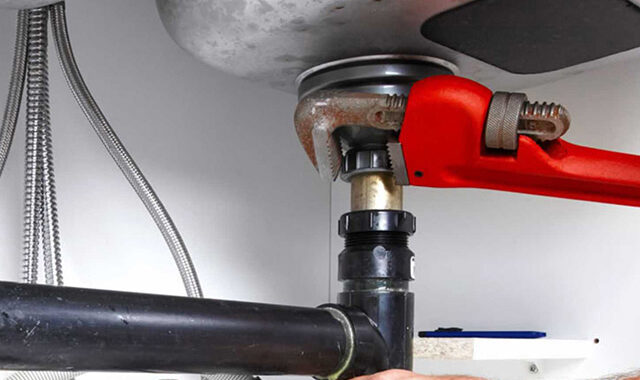 Tips for Maintaining Your Plumbing System
  Outfit Your Kitchen for Senior Safety and Ease
  Prevent Water Retention
  Products Which May Cause Cancer
  Protective Vaccines